The Way of Steve Jobs
At The Intersection of Humanity and Technology
The history of the modern digital revolution is often framed as a triumph of engineering—faster processors and bigger hard drives. However, the true innovations were forged by a few pioneers, one of whom was Steve Jobs. He wasn’t an engineer; he didn’t invent computers, nor did he write any computer code. Instead, he envisioned technology suited for humans, obsessed over the finest details of his products, and fabulously showcased them for the world to adopt. This is the story of that relentless pursuit, and how Steve and his brilliant teams reshaped the world, one product at a time.
The Foundation
The "Abandoned" and "Chosen" Son
Steve Jobs was born in 1955 and immediately given up for adoption. He was taken in by Paul and Clara Jobs, a hardworking middle-class couple. When Steve found out he was adopted at around six years old, he was deeply upset. Clara responded with emphatic reassurance: "We specifically picked you out." This moment was foundational. Steve internalized this not as abandonment, but as being "chosen." This deeply ingrained belief fueled his famous "reality distortion field"—the conviction that the normal rules of life didn't apply to him and that he could bend the world to his vision.
A Fresh Wind from a Garage
Growing up in Silicon Valley, Steve lived at a crossroads. The apricot orchards of his youth were slowly being replaced by microchips. He absorbed the geeky hacker ethos of the Valley, but also the rebellious spirit of the 1960s counterculture.
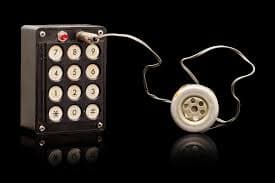
His first business venture was as rebellious as his spirit. In 1971, he and his brilliant engineer friend, Steve Wozniak, built and sold illegal "Blue Boxes." These tiny electronic devices tricked the phone company, allowing users to make free long-distance calls. It served as the essential training ground for the partnership that would become Apple, establishing a dynamic where Wozniak provided the engineering wizardry and Jobs provided the packaging, marketing, and business vision. Additionally, the success of the Blue Box gave the young duo a sense of immense power and confidence; they realized they could build a tiny device capable of controlling a massive infrastructure worth billions of dollars.
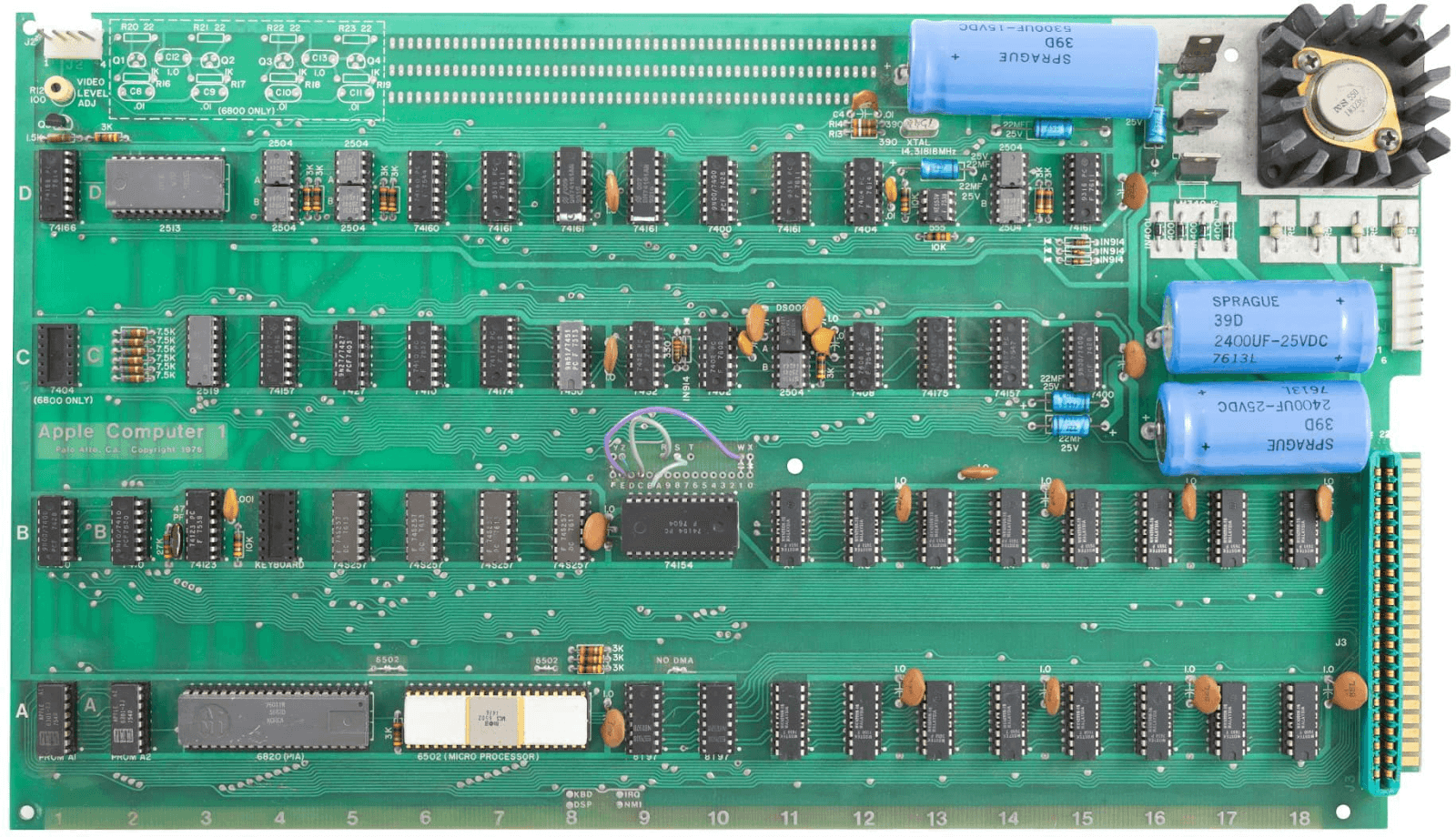
In 1976, Wozniak designed the Apple I, a single-board computer he originally built simply to impress his peers at the Homebrew Computer Club. While Wozniak was content to share his schematics for free—an early precursor to the open-source movement—Jobs recognized the device’s commercial potential. He convinced Wozniak to commercialize the design, and the two sacrificed their most prized possessions (Jobs’s Volkswagen bus and Wozniak’s HP calculator) to fund the initial production. Although the Apple I was sold as a bare circuit board without a case or keyboard, it marked the official birth of Apple Computer and the transition of their partnership from mischievous hackers to serious entrepreneurs.
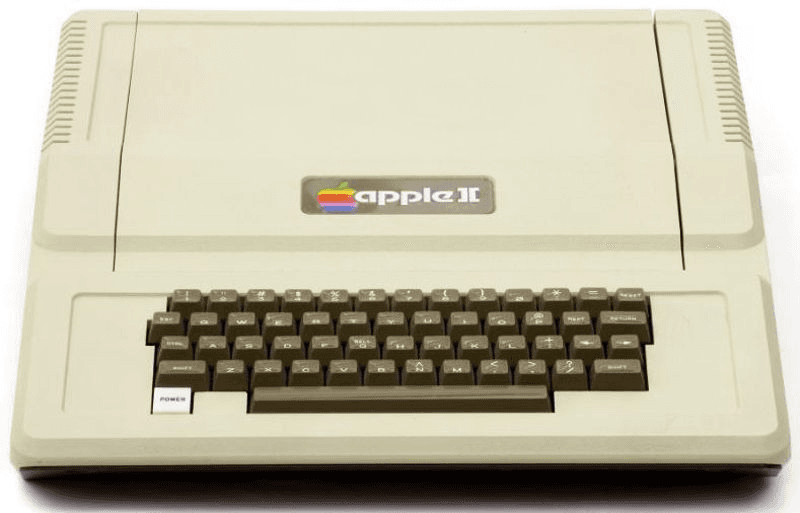
If the Apple I was for hobbyists, the Apple II was for everyone else—but realizing that vision required a transformation. Jobs wanted the machine to feel like a friendly household appliance, requiring a sleek plastic case to hide the intimidating tangle of wires. To fund the necessary tooling, Jobs officially incorporated Apple Computer Inc. in 1977. With professional backing secured, the duo delivered a masterpiece: Wozniak engineered a motherboard capable of color graphics, while Jobs ensured the design was approachable for non-engineers. The Apple II ignited the personal computer revolution, propelling the company to a $1.79 billion valuation by 1980.
The First Attempt at Perfection: The Macintosh
By the early 80s, computers were still controlled by clunky text commands. Jobs knew this was a massive barrier to everyday users. He found his solution during a visit to Xerox PARC, where he famously demanded access to their Graphical User Interface (GUI). He immediately recognized the GUI as the keystone that would make computers accessible to the general public. Pushing his team to refine Xerox’s industrial concepts into something beautifully intuitive, he made the GUI the foundational design choice for their next project. They created the Macintosh, complete with elegant fonts and overlapping windows. It was so friendly it even introduced itself with a synthesized "Hello" in 1984.
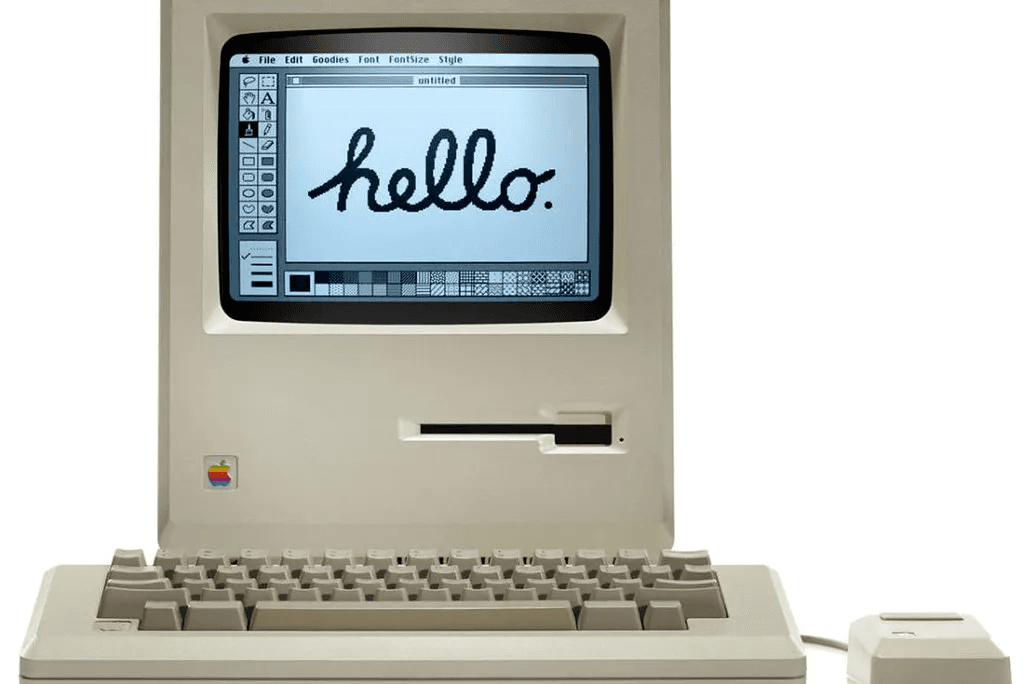
But Steve’s perfectionism was a double-edged sword. While the revolutionary GUI was demanding on hardware, Jobs refused to include a cooling fan because he hated the noise. This resulted in a beautiful but underpowered machine, causing sales to plummet after the initial hype. The Macintosh's commercial struggles, paired with Jobs’s increasingly volatile management style, ultimately led to his downfall. By 1985, the board of directors sided against Jobs, and the visionary founder was exiled from the very company he built.
Exile and Adaptation
Abandoned and NeXT
Being fired was devastating, but Steve did not retreat. Instead, he gathered a small team of loyalists and launched a new venture called NeXT. He wanted to create a powerful workstation specifically designed for higher education that would marry high-end hardware with advanced software. Steve demanded that the computer be a perfect geometric cube with a matte black finish—even on the inside.

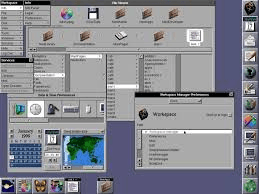
While the hardware was beautiful, the true breakthrough was the operating system, NeXTSTEP. It was an advanced, object-oriented software environment that allowed developers to build applications far faster than they could on competitors' machines. Commercially, however, it flopped. The NeXT Cube was overpriced and suffered from a lack of available software, leading to sluggish sales and an idle factory. Yet, this commercial failure became a strategic victory; in 1996, a struggling Apple bought NeXT to acquire its operating system for future Macs, bringing Jobs back as interim CEO.
Discovering a new frontier: PIXAR
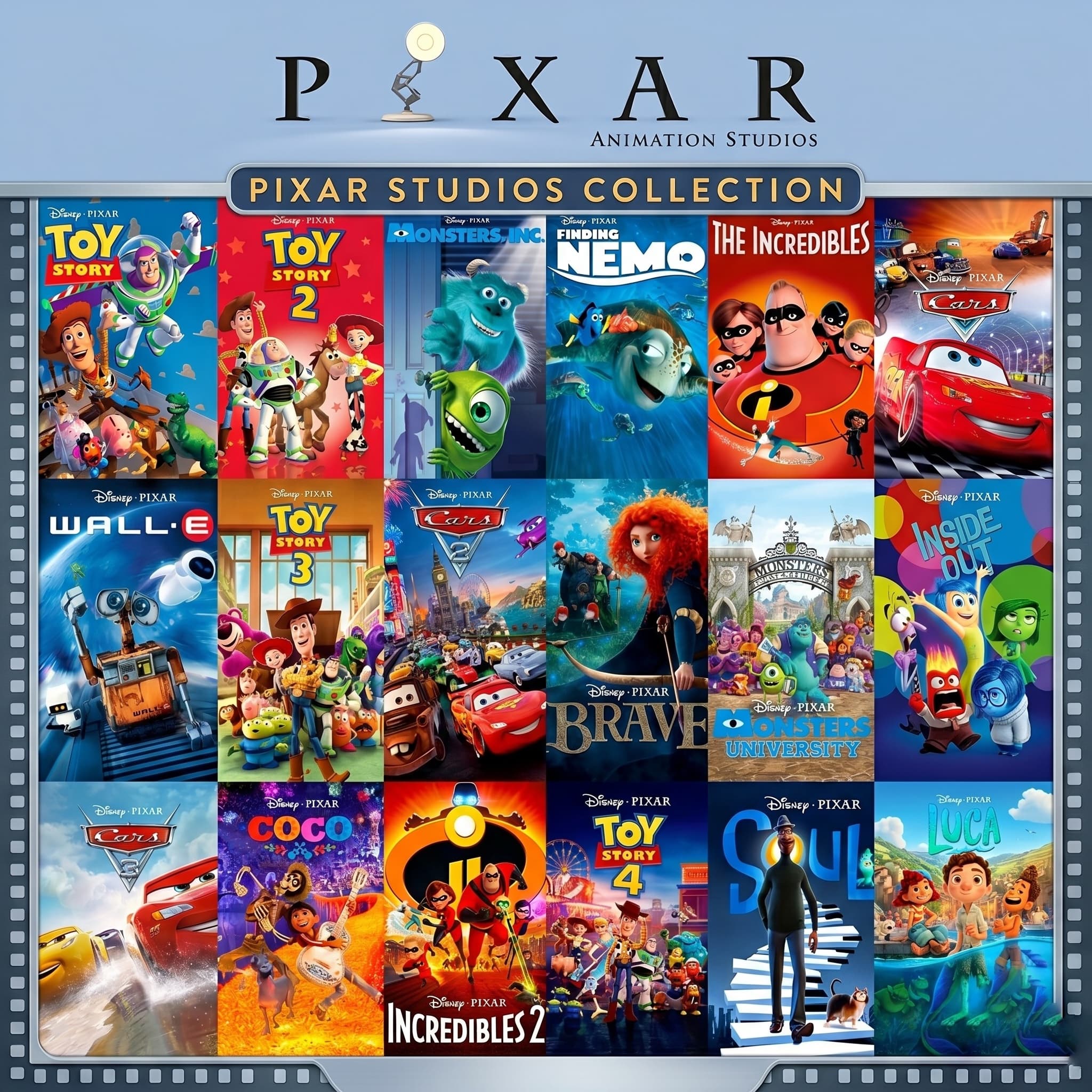
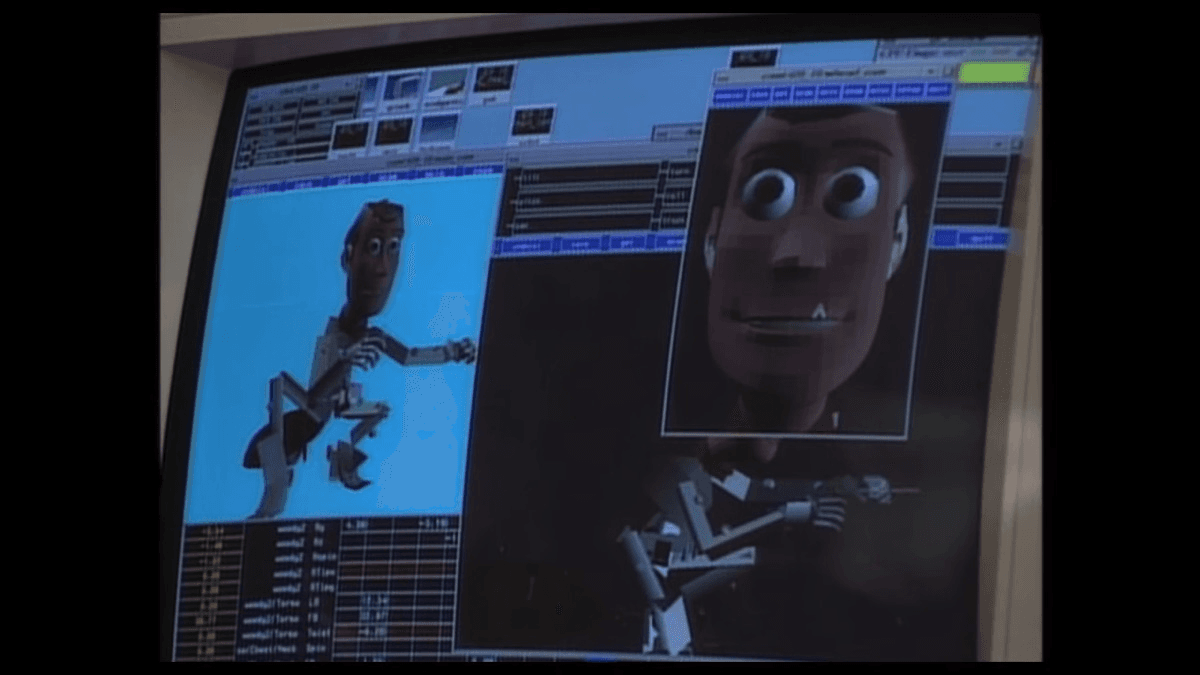
During his exile, Jobs also purchased a small computer graphics division from Lucasfilm, renaming it Pixar. The company initially sold high-end graphical hardware to specialized markets. However, the hardware failed to sell, costing Jobs tens of millions of his own dollars to keep the lights on. Despite the financial bleeding, Jobs recognized the immense potential in a small team of artists within the company who were using the technology to create short animated films. Jobs realized the magic wasn't the machine; it was the art. He ceased trying to sell computers and pivoted the company entirely toward making films. Pixar’s first animated feature, Toy Story, became a massive blockbuster. Steve took the company public the week following the film's release, became a billionaire, and built one of the most creative and successful animation studios in history.
The Return
"Think Different"
Upon his return to an Apple on the brink of bankruptcy in 1997, Steve realized he had to do two things immediately: brutally simplify the company's focus and remind the world why Apple existed in the first place.
He drew a simple grid on a whiteboard: Consumer and Pro, Desktop and Portable. He killed 70% of their products to focus purely on making four great computers. By burning away the "dead wood," Jobs saved the company’s balance sheet and allowed his team to focus on excellence rather than volume.
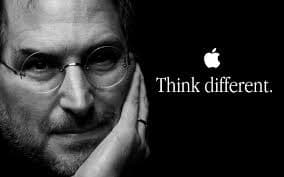
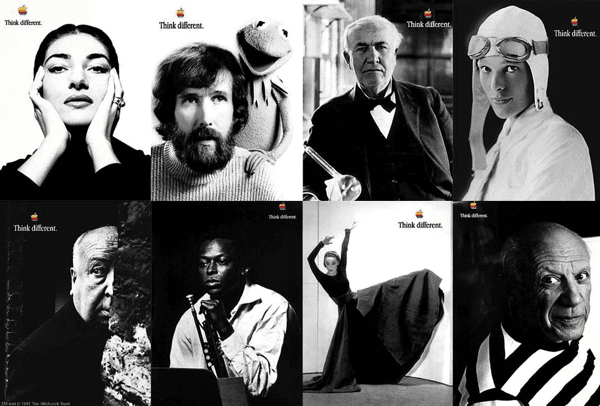
While the engineers worked on the new computers, Jobs needed a way to keep the brand alive. He launched the iconic "Think Different" campaign. Instead of talking about processor speeds, the ads featured black-and-white photos of rebels like Einstein, Gandhi, and Picasso—without a single pitch for a computer. He reminded the world, and his own team, that Apple wasn't just selling electronics; they were building tools for passionate people to change the world.
The Resurrection: iMac
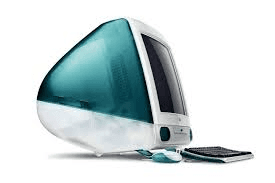
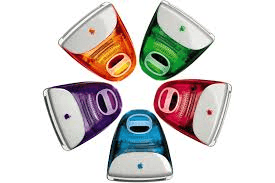
The first proof of this new vision was the iMac. It was born from a design-first philosophy driven by Steve and Apple's new chief of design, Jony Ive. It represented a radical inversion of the traditional corporate hierarchy: design dictated engineering rather than serving it. Instead of a boring, intimidating beige box, the iMac was bright, translucent blue. It had a handle on the back, inviting people to touch it. Most importantly, it was built for the internet. You could take it out of the box and get online in minutes without struggling with cables and manuals, completely unlike its competitors. This radical user-first approach made the iMac the best-selling computer of its time, effectively resurrecting Apple.
iPod, iTunes, and the Ecosystem
The turning point for digital music arrived when Apple’s hardware chief, Jon Rubinstein, discovered a tiny, 1.8-inch hard drive prototype capable of holding five gigabytes of data. Steve immediately saw the potential to transform this raw technology into a revolutionary product. He felt the existing portable music market "truly sucked" because the MP3 players of the era were bulky, held only about 16 songs, and featured terrible interfaces.
In response, the Apple team delivered the iPod. No larger than a deck of cards, it featured a clever scroll wheel that allowed users to effortlessly glide through an unprecedented "1,000 songs in your pocket." It offered a superior user experience and completely dominated the portable digital music player market, holding over 70% of the market share at its peak.
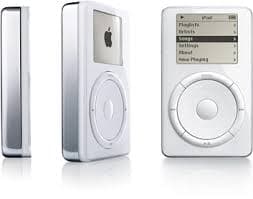
While competitor devices were overly complex, the iPod remained elegantly simple and fast. It achieved this by delegating all the heavy lifting—like organizing libraries and creating playlists—to the iTunes software on the user's computer. Moreover, it transformed the entire music industry by selling individual songs for 99 cents through the iTunes Store. It helped the industry adapt to the digital age by offering an easy, legal alternative to online piracy.
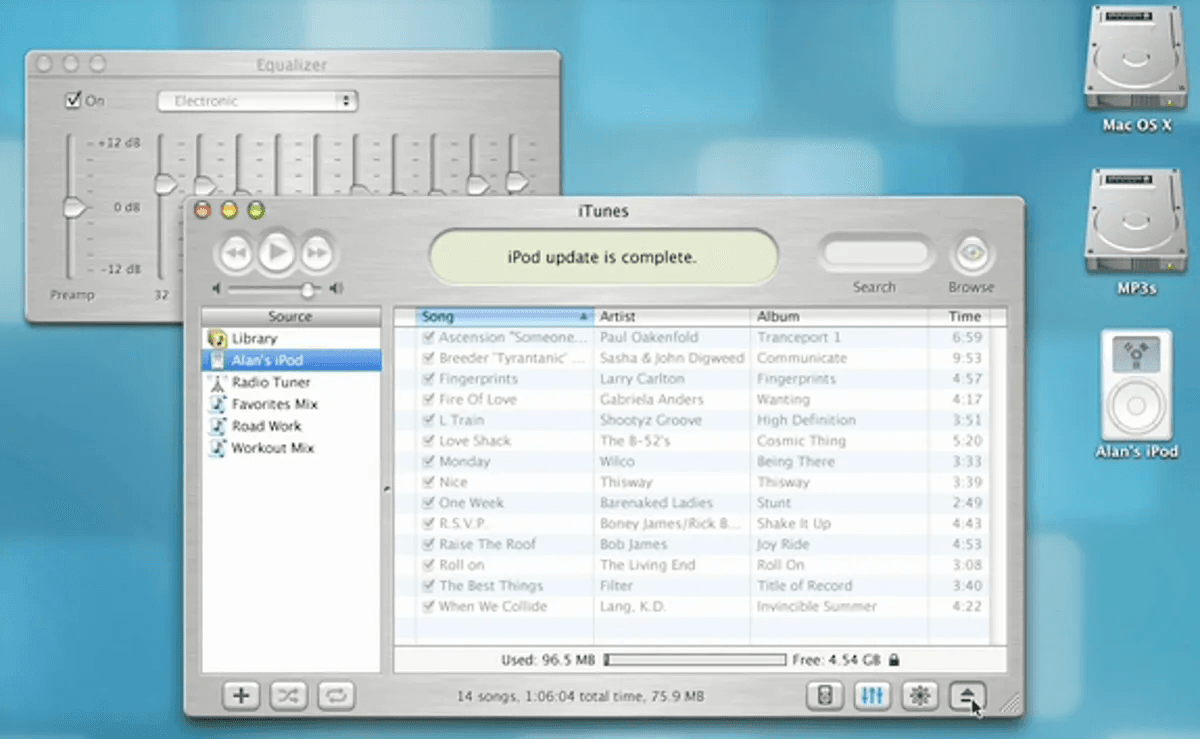
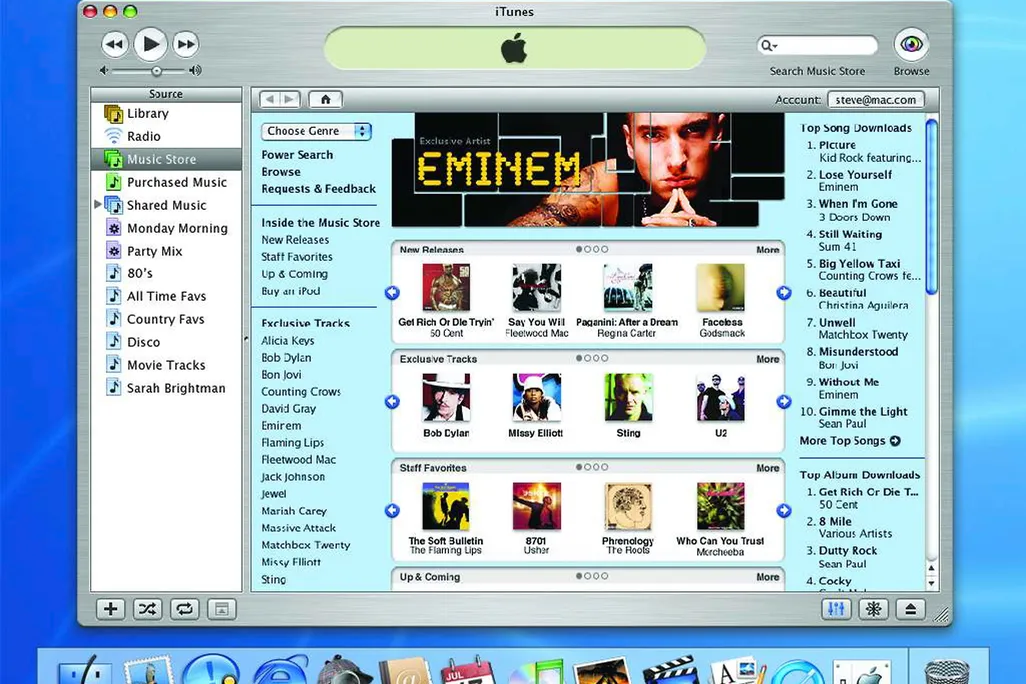
This seamless integration of hardware, software, and content established Apple’s incredibly powerful ecosystem. Unlike competitors who simply sold standalone gadgets, Apple created an interconnected environment. It was a harmonious system where everything just worked together seamlessly.
The Apple Store: Controlling the Experience
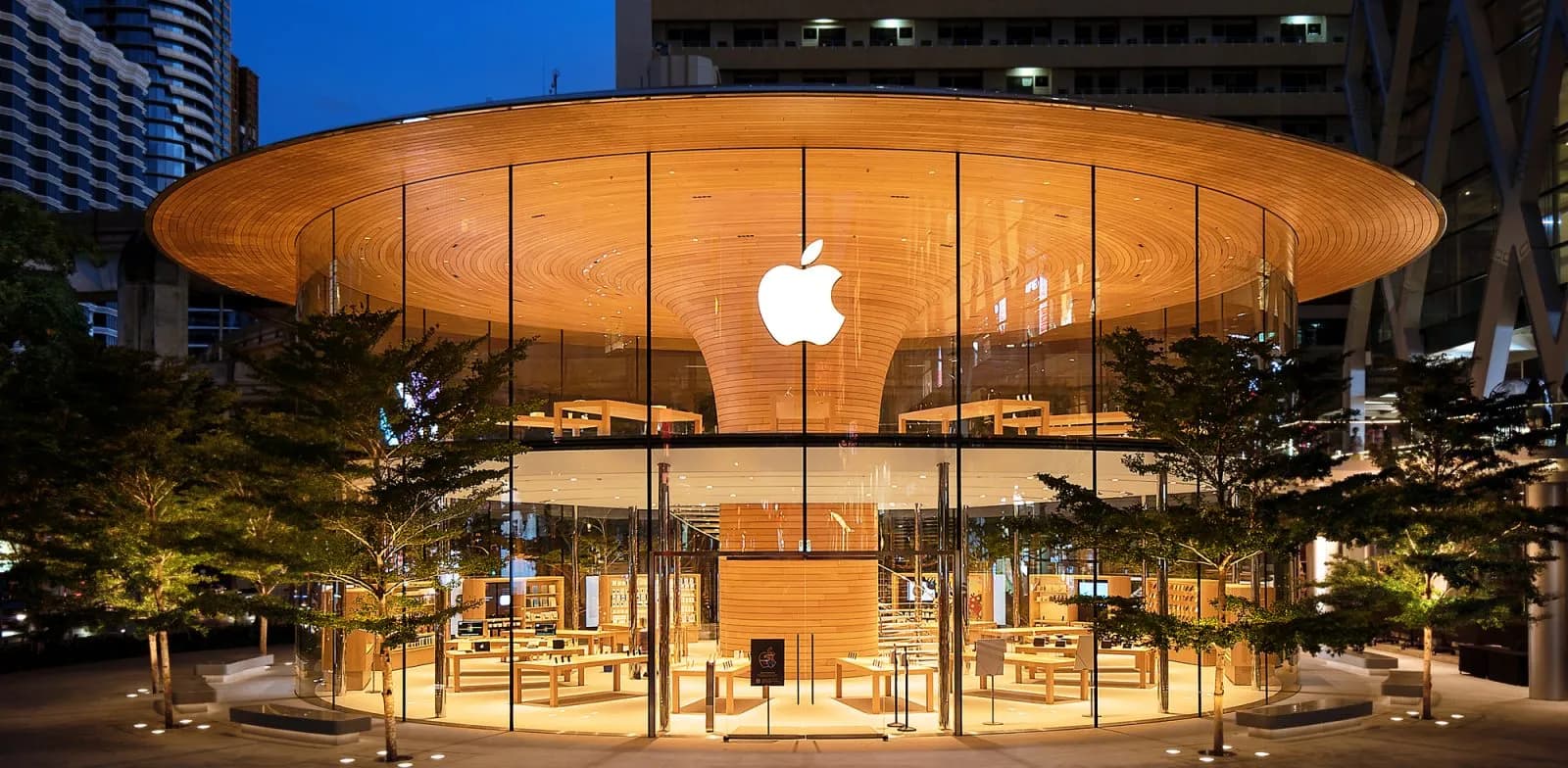
Steve realized that discovering and buying the products were crucial parts of the user experience. He noticed that most third-party resellers didn’t provide the premium environment or knowledgeable support he desired. Therefore, he set out to create Apple Stores to reflect the company's exacting standards.
The stores featured elegant glass-and-stone facades, beautifully showcased the products, and provided empathetic technical support. Steve’s obsession didn’t stop at the storefront; he even scrutinized the packaging of the products, ensuring that the slight friction of lifting a box lid created a moment of anticipation. This relentless attention to detail ensured that the initial impression of excellence was felt and sustained.
iPhone, iPad, and iCloud
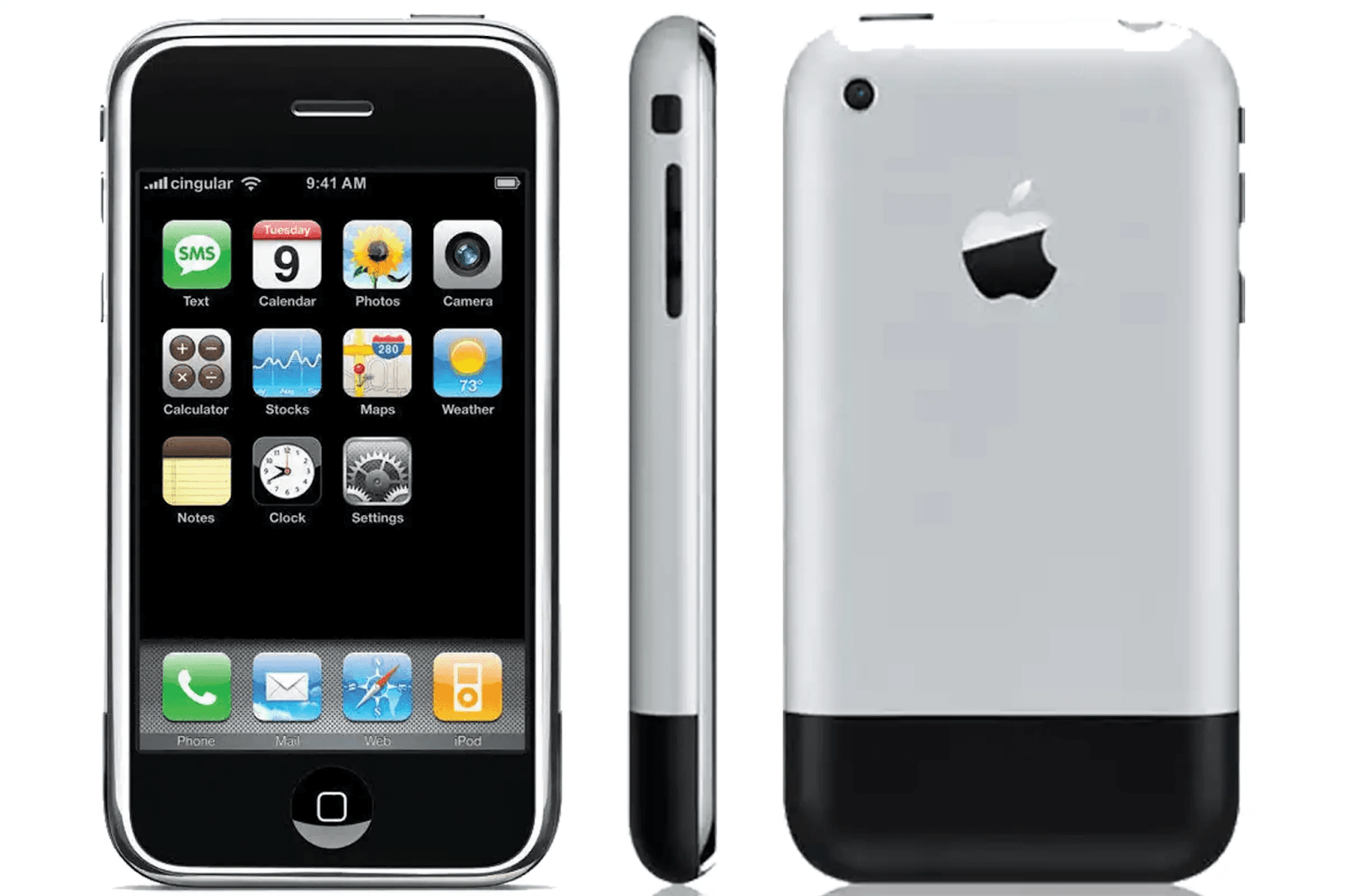
At the time, smartphones were burdened by physical keyboards that permanently covered half the device, regardless of what the user was doing. The solution was seeded when a Microsoft engineer boasted to Jobs about a prototype tablet operated by a stylus. Annoyed by the reliance on a clumsy plastic pen, Jobs demanded his team create a multi-touch surface that required nothing but the human hand.
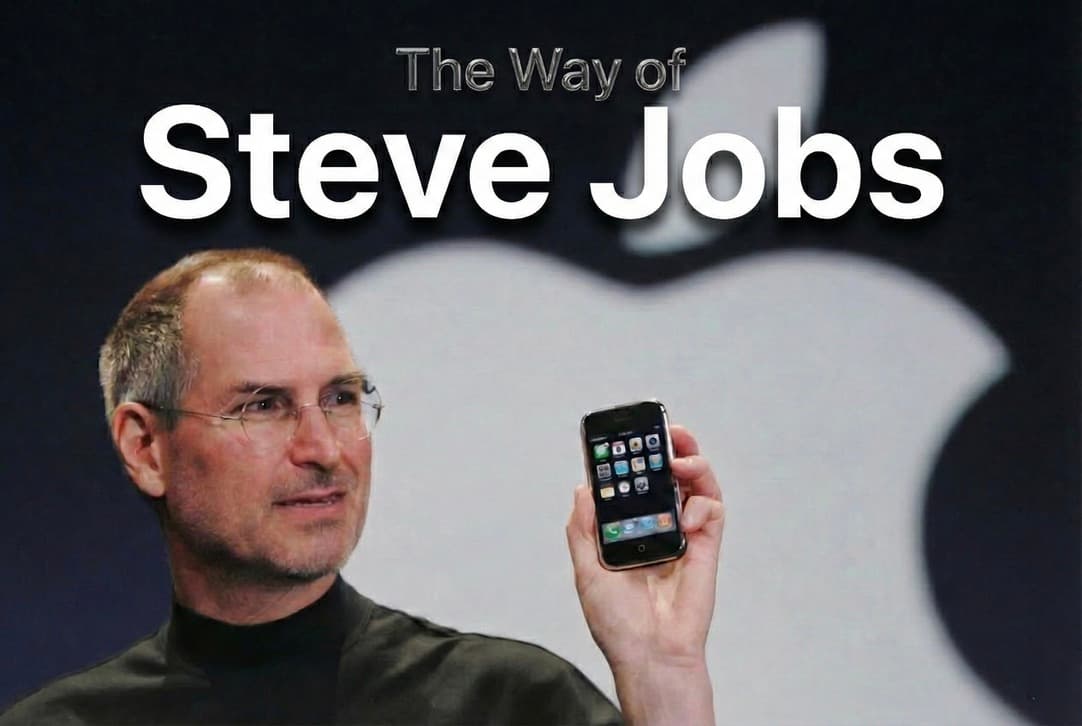
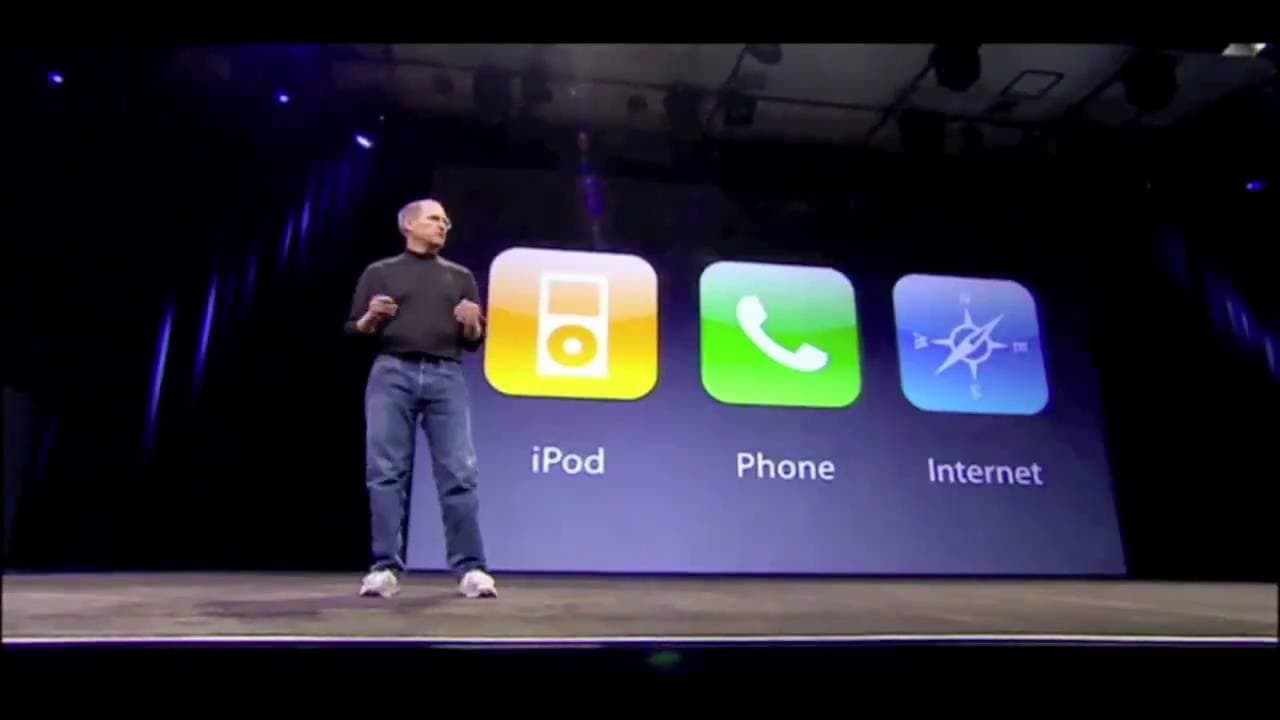
This multi-touch software maximized screen space and gave the interface unmatched versatility. At MacWorld 2007, Jobs famously introduced the iPhone as "a widescreen iPod with touch controls, a revolutionary mobile phone, and a breakthrough internet communicator"—all in one. The iPhone became a global sensation, sparking the true mobile information age by putting powerful computers into billions of pockets.
A few years later, Jobs bridged the gap between the smartphone and the laptop by launching the iPad. Despite some initial skepticism, its portability and large, user-friendly interface fundamentally changed how people consumed media, played games, and performed mobile computing tasks.
To bind this expanding ecosystem together, Jobs introduced iCloud. This service eliminated the need for physical cables, allowing photos, music, and data to flow wirelessly between devices. By making data universally accessible, iCloud ensured that a user's entire digital world was instantly available wherever they went.
Facing Death, Living On Through Apple
As Jobs propelled the digital revolution forward, he was forced to confront his own mortality. He was diagnosed with pancreatic cancer in October 2003. Consistent with his belief that he could bend reality to his will, he initially delayed conventional surgery in favor of natural remedies. When he finally underwent surgery in July 2004, the cancer had already spread. This marked the beginning of a seven-year struggle that would, paradoxically, become one of the most productive periods of his life.
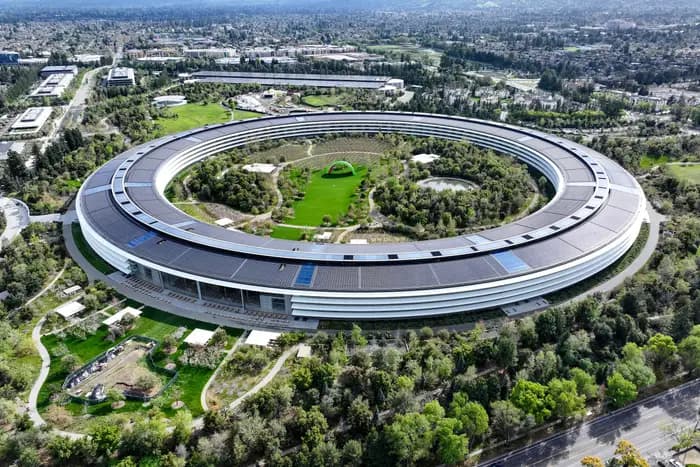
While fighting the disease, he successfully orchestrated the launch of the iPhone, iPad, and iCloud. Yet, Jobs’s final obsession was not a consumer device, but a home for the creators themselves. He wanted to leave a physical legacy that would express Apple’s values for generations. Working with famed architect Norman Foster, Jobs obsessively scrutinized every detail of a new 150-acre campus, envisioning a ring-shaped sanctuary where 12,000 employees could innovate under one roof. Completed in 2017, Apple Park stands today as a monumental manifestation of the company's spirit.
By the summer of 2011, the cancer had spread to his bones, and his pain became unmanageable. He handed the reins to Tim Cook, the operational genius who had guided the company during Jobs’s medical leaves, and spent his final days quietly with his family. Reflecting deeply on his life and Apple’s future, he viewed his overarching contribution not just as making devices, but as adding to the "flow" of human invention.
Steve Jobs died on October 5, 2011. His vision and obsessive focus on design created products that successfully integrated technology and humanity. Today, Apple—a company so deeply embedded with his DNA—continues to create products that are beautiful, intuitive, and a joy to use. `